





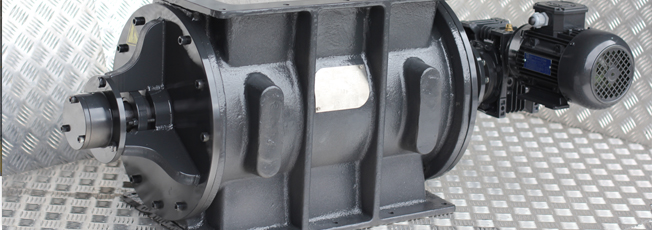
What Is a Rotary Valve and Where Is It Used?
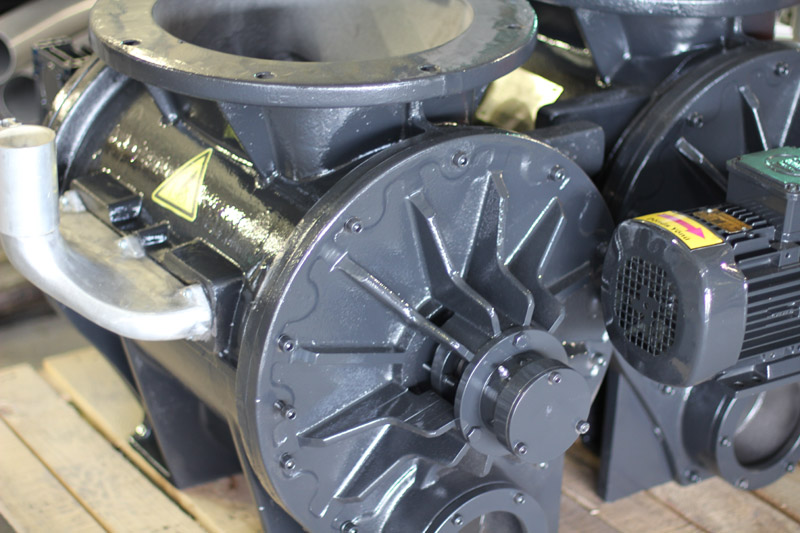
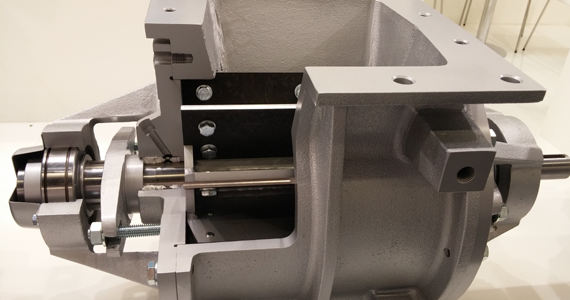
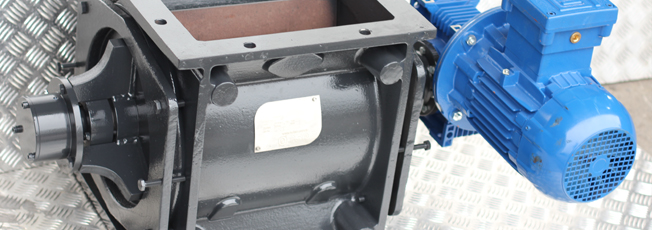
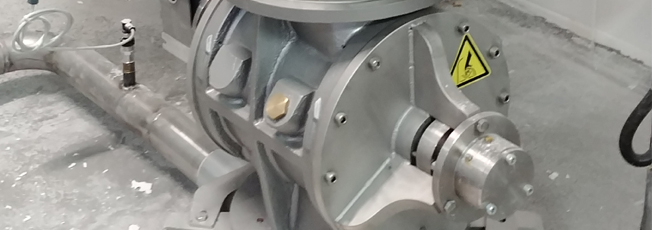
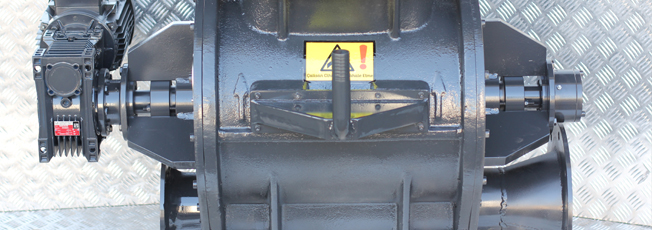
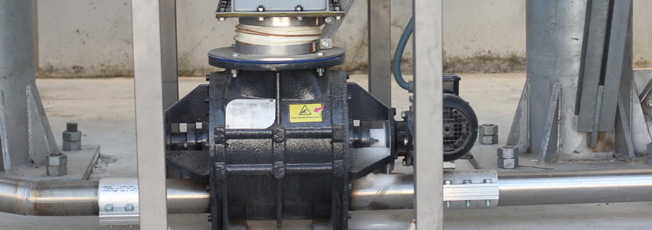
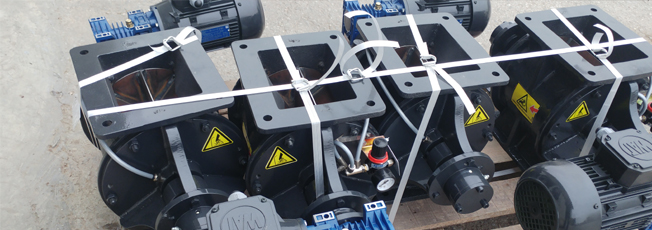
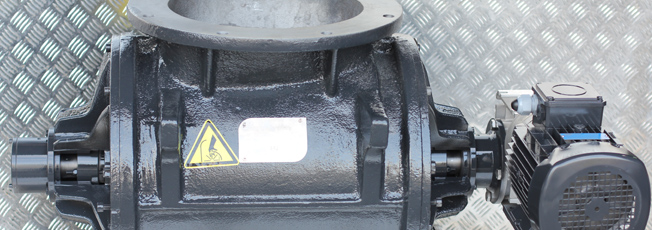
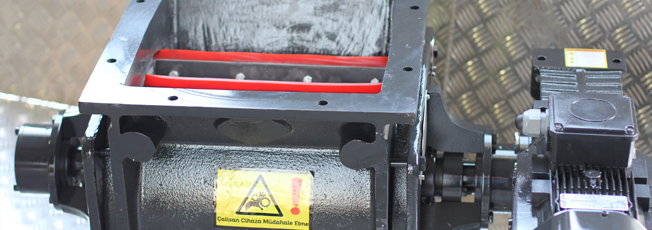
A rotary valve (also known as an airlock or rotary feeder) is a mechanical device with vanes, generally used in pneumatic conveying systems (under pressure and vacuum) to separate bulk solids in powder or granular form from the air. It is widely used especially below filters and cyclones. While the diameter and rotational speed determine the device's capacity, vane clearances are among the most important factors affecting the equipment's efficiency. Rotary valves can also act as dosing units or as proportional dischargers below silos.
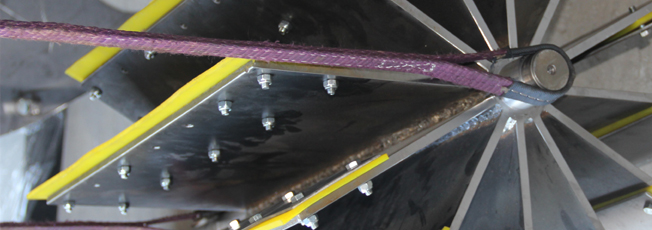
However, in some processes the rotor pockets of rotary valves can quickly fill up and build deposits, preventing the device from doing its job. To solve such problems, the self-cleaning rotary valve (self-clean rotary valve) was developed. This device has different features from its standard counterparts and incorporates more mechanical systems in its design.
To briefly define the functions of a rotary valve: in pneumatic systems it separates the product from the line and, using gravity, isolates the powdered bulk solid from the air. Depending on the type of process and the product, it can have different vane designs, clearances and speeds. Depending on the properties of the material being conveyed, it can also act as a crusher and can be coupled with equipment whose main function is size reduction.
Material and Design Options
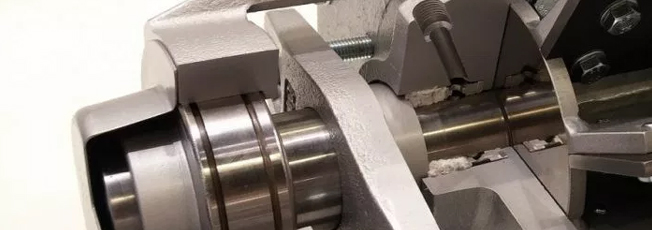
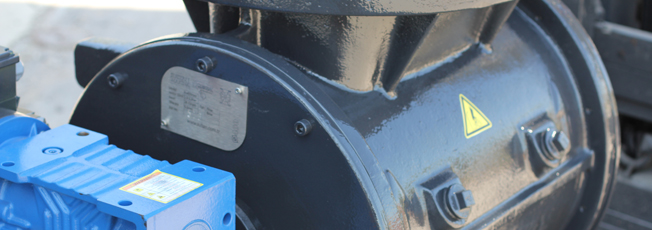
Rotary valves / rotary feeders are manufactured from ST37 carbon steel, AISI 304 and AISI 316 stainless steel, Hardox and Ni-Hard. Bearing types and sealing elements (packing glands, mechanical seals, felt seals, etc.) also vary with the process. Internal rotors can be bladed, radiused, with adjustable vanes, with scrapers or in polyamide, among other options. In addition, ATEX-certified rotary valve versions are also part of our production programme to meet process requirements.
.


Key Features
Maximum sealing: Tight clearances between the rotor vanes and the housing minimise pressure/vacuum loss in the system.
Accurate, consistent dosing: Adjustable speed (VFD integration) delivers a continuous, uniform material feed at the flow rate your process needs.
Wear-resistant design: Hardened internal surfaces and customisable rotor vane tips (Viton, PU, hard chrome, Hardox) give a long service life with abrasive materials.
Compliance with ATEX and hygiene standards: Options for dusty environments with explosion risk (ATEX) and for food and pharmaceutical applications (FDA-compliant, easy-clean Quick-Clean).
Heavy-duty housing: A cast iron (grey/ductile) or stainless steel housing provides high mechanical strength and stability.
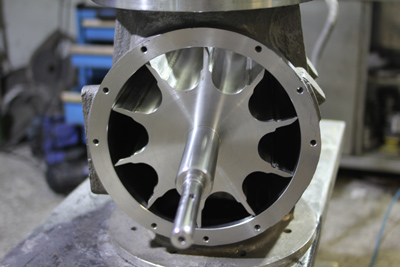
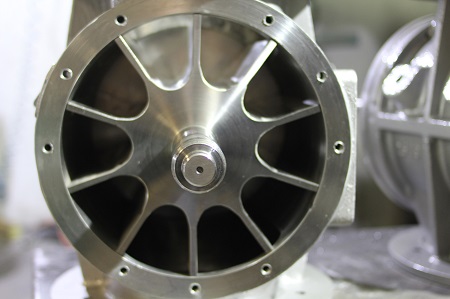
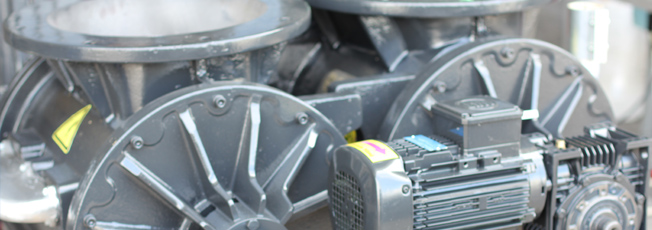
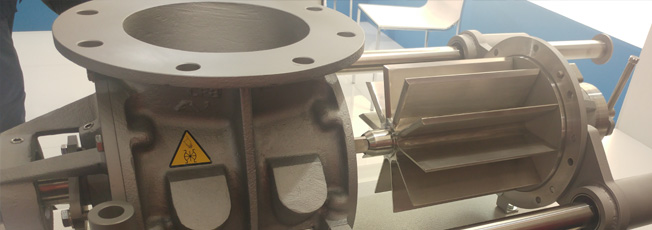
The images below give you an idea of rotor designs. Although the units may look the same from the outside, their internals differ, which means there are many options when choosing a rotary valve. Process data must therefore always be taken into account when selecting a rotary valve or airlock. The most important point to remember is that not every rotary valve will work in every process. The key factors here are bulk density and the specific properties of the product. You can find the bulk density values of some raw materials at this link.
Main Rotary Valve (Airlock, Rotary Feeder) Rotor Types
Because rotary valves vary with the process, their internals vary too, which means different rotor designs. Different rotor options should be used for fibrous, cylindrical, granular, coarse, sticky or moist raw materials. Below you can see the main rotor options, briefly explained with images. For more rotor options, review the PDF and get in touch with us. Rotary Valve (Airlock) Catalogue (PDF)
-


-
Eductors and Self-Cleaning Rotary Valves
In some processes, although the rotary valve is part of a pneumatic conveying system, the orientation of the pipe inlet and outlet can cause problems during maintenance; removing pipework for maintenance is undesirable. In such plants, a standard rotary feeder can be used instead of a blow-through rotary valve, with a device that creates a venturi effect fitted underneath. This way, the connected lines do not have to be dismantled when servicing the rotary valve, which gives the process more flexibility.
-

- In some processes the requirements do not fit any standard or size. Factors such as limited height, flowability problems and product type may call for different solutions when selecting a rotary valve.
When this happens, a series-connected rotary valve (rotary feeder) solution, known as a tandem or multiway port rotary valve, comes into play.
By mounting rotary feeders in series within a limited height, you achieve benefits such as high capacity and feeding and discharging over a wider cross-section.
Typical applications include belt feeding, spreading raw material onto a belt conveyor and conical discharges with a square frame.
Multiway Rotary Valve
-
-
Rotary Valves and Air Leakage
This subject often leads to misunderstandings and incorrect use. Remember that every rotary valve needs a running clearance in order to rotate, which means there is a gap between the housing and the rotor. On leaving the factory, this gap is usually set to 0.15–0.30 mm on all rotary valves. If the system performs pneumatic conveying and the material is somewhat abrasive, this clearance can increase over time. Larger clearances can lead to air leaking upwards through the rotary valve (air blow-back) and to bridging problems.
- To prevent this, the leakage air must be vented, especially on blow-through rotary valves. If this venting is done correctly, rotary valves can run without problems even with wear clearances of up to 1 mm. For this reason, venting the leakage air and the orientation of the rotary valve are important on all pneumatic conveying lines. Otherwise, even very slight wear will cause performance problems in the system.
-
- For rotary valves used in processes where wear is likely, vane thickness, high-alloy steel vanes, end covers, rotational speed and leakage air venting are all important. Product selection must therefore be given careful attention from the outset.
.


Rotary Valve Capacity Table


Rotary valves in all the diameters we produce can be built with the optional features you require.
In addition, if the system operates under pressure, that pressure puts the whole system under greater load and accelerates wear. The abrasive raw material mixed with air tries to escape, particularly through the sealing elements; over time this first damages the seals, causing dust in the surrounding area, and then damages the housing and end covers.
To avoid the process described above and to extend this natural process in a controlled way, the right selection must be made. In abrasive processes like these, the equipment inevitably has a limited life. What matters is to avoid unplanned shutdowns: even if the rotary valve is damaged, it should keep running and, in plants operating 24/7, hold out until the next planned shutdown.

 Rotary Valve Catalogue