Vacuum Conveyors and Pneumatic Sesame Conveying
Sesame is a small, oily and fragile seed. Conveyed at high velocity, its hull cracks and oil is released, which lowers quality and builds up a sticky layer inside the line. The aim in conveying sesame is therefore to move the product at the lowest possible velocity and with the least possible impact.
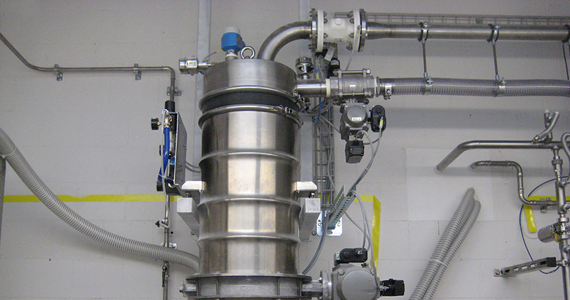
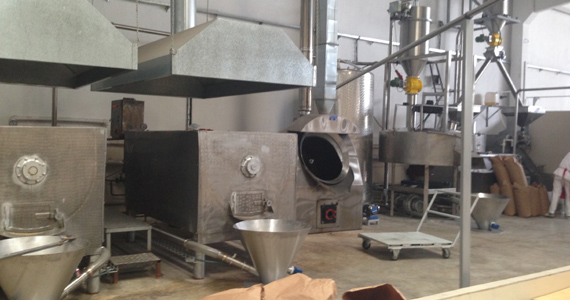
In vacuum conveyors, sesame is drawn through the pipes to the receiving hopper in a low-velocity flow. Long-radius bends are used, and the drop height inside the receiving hopper is reduced. Sesame can be transferred between machines in roasting, hulling and tahini production lines using this method.

How Is Sesame Conveyed by Vacuum?
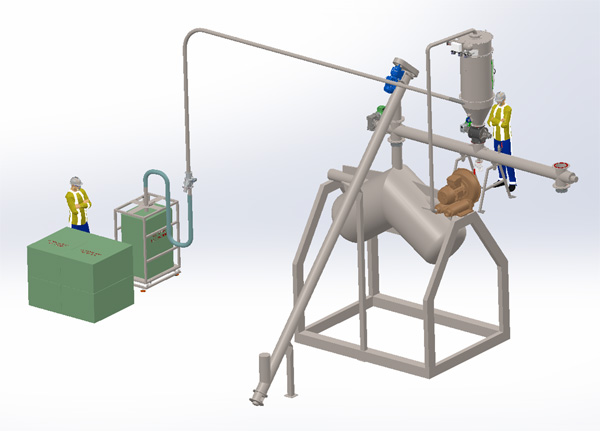
Sesame is picked up from the silo or hopper by a suction lance, conveyed under vacuum along the line to the receiving hopper, and, once the hopper is full, discharged through the bottom flap into the next machine. A filter in the receiving hopper captures the hull dust carried by the conveying air.
Vacuum Conveying Experience
We know that roasted and unroasted sesame behave differently, so we adjust the conveying velocity and hopper design to the condition of the product.
Why Choose Vacuum Conveying?
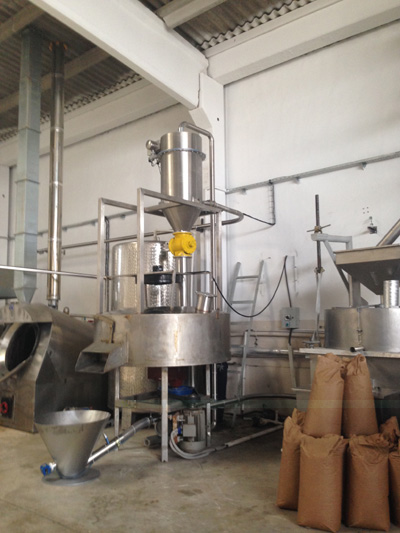
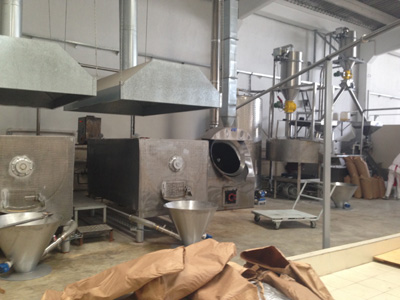
A smaller footprint than bucket elevators and screw conveyors, easy cleaning and gentle handling make vacuum systems well suited to sesame.
READ MORE Pneumatic Conveying Catalogue