Dilute phase conveying, dosing and SCADA systems
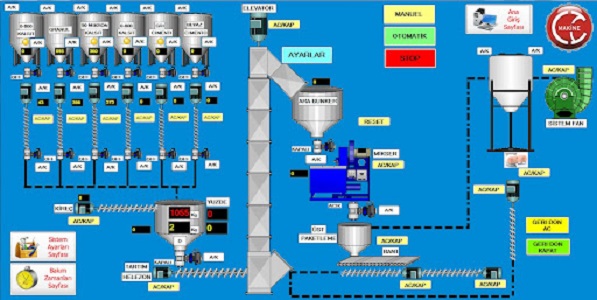
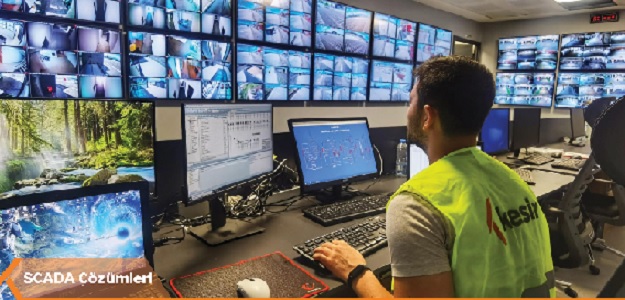
When silo levels, pneumatic line status, dosing weights and mixer cycles in a plant are monitored on separate panels, it is hard for the operator to see the whole process at once. SCADA visualises all of this equipment on a single screen, showing in real time the stock in each silo, which line is conveying to which silo and which stage dosing has reached.
Recipe management is one of SCADA's most important functions. Product recipes are defined in the system; the operator simply selects the recipe and number of batches, and the dosing and conveying sequence runs automatically. The actual quantities weighed in each batch are recorded with date and operator details, and these records can be reported for traceability and stock control.
Alarm and fault logs are kept in the same system. Because events such as an airlock stopping or a line blocking are logged with a timestamp, finding the root cause of faults becomes easier.
What Is SCADA?

Data monitoring
Data control
Data logging and storage
Data acquisition
Data reporting
Alarm management
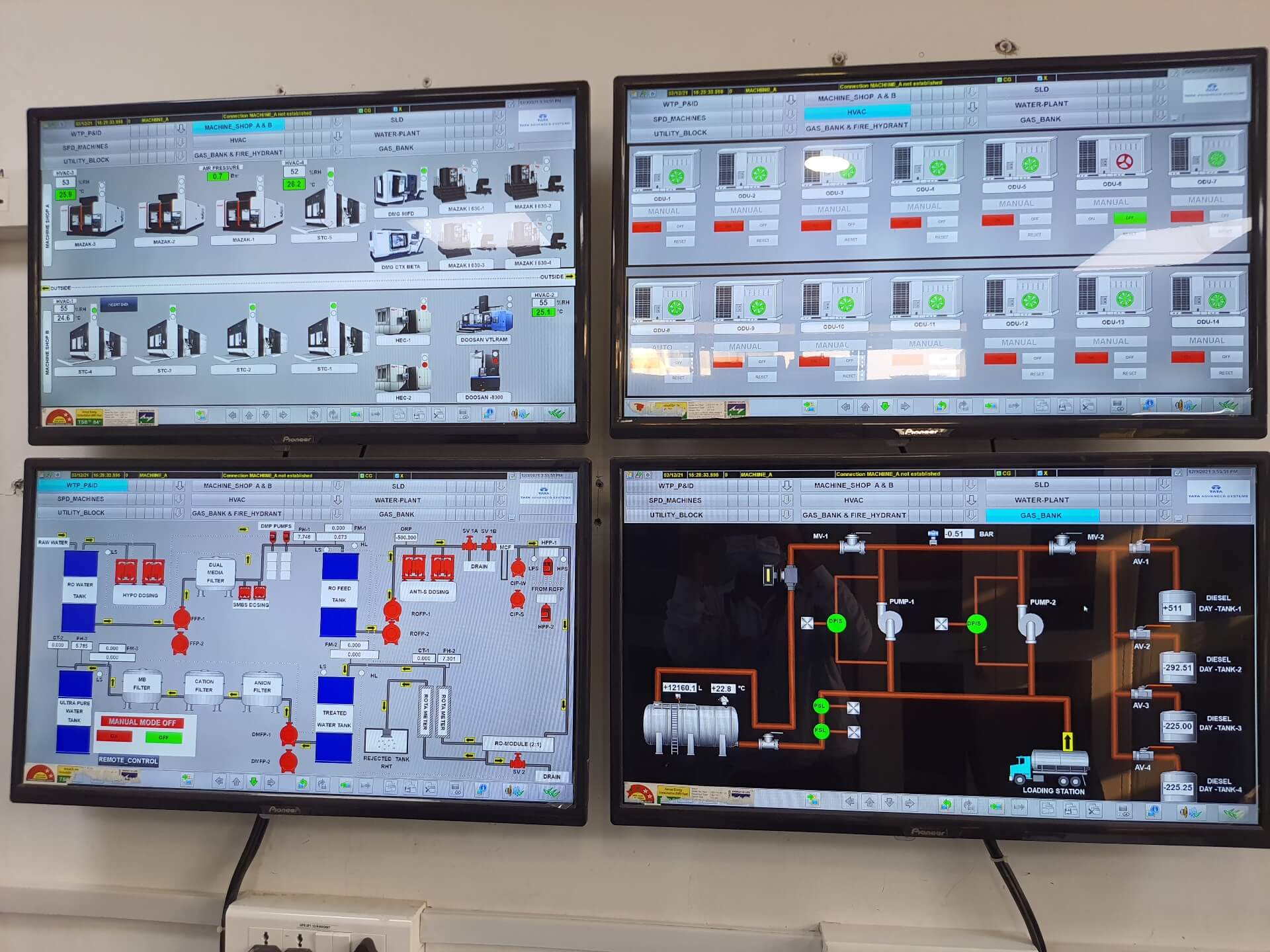
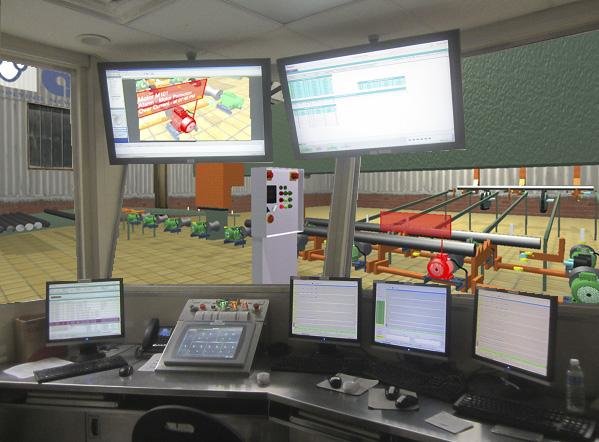
SCADA allows all devices in a plant to be planned, controlled and reported on. In short, SCADA is a data acquisition and monitoring system. It can be controlled from a single computer or, with the necessary network connections, from several computers.
The SCADA system can also be controlled from devices such as smartphones and tablets.