Mixing Systems for Bulk Solids
A horizontal mixer blends solid materials in powder or granule form and is also known as a ribbon mixer. We build them in various shapes and sizes, from laboratory scale up to 1,000 litres.
Single- and twin-shaft designs are available. A special bearing system gives a sealed design, and these mixers are widely used in the food, chemical, pharmaceutical and cosmetics industries.
When selecting this batch-operated system, the filling and discharge systems should be considered together with the process.
What Are the Features of a Horizontal Single-Shaft Mixer?
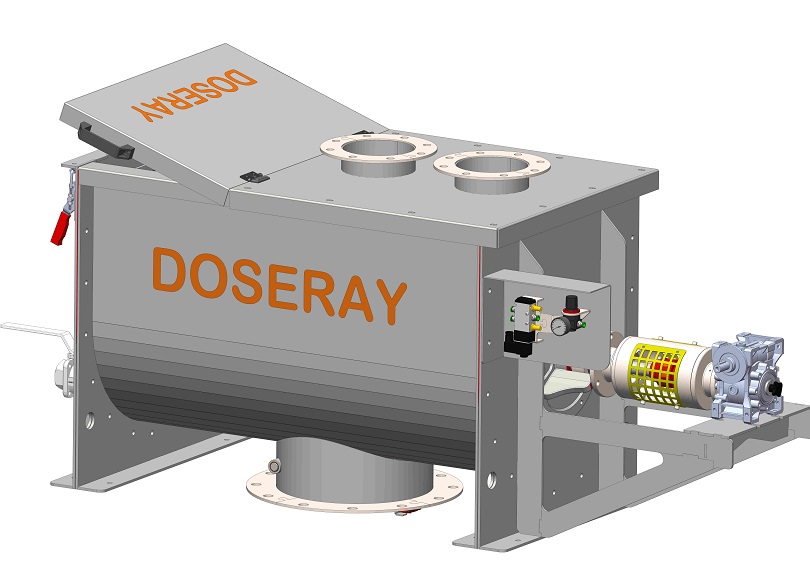
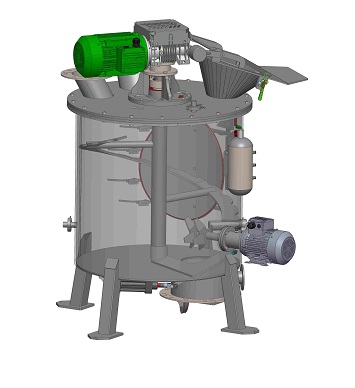
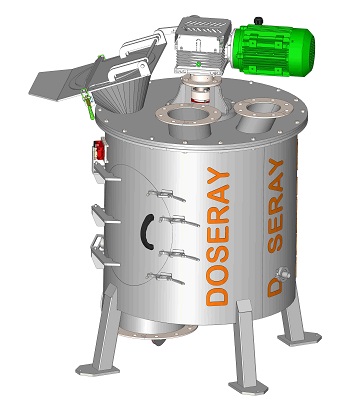
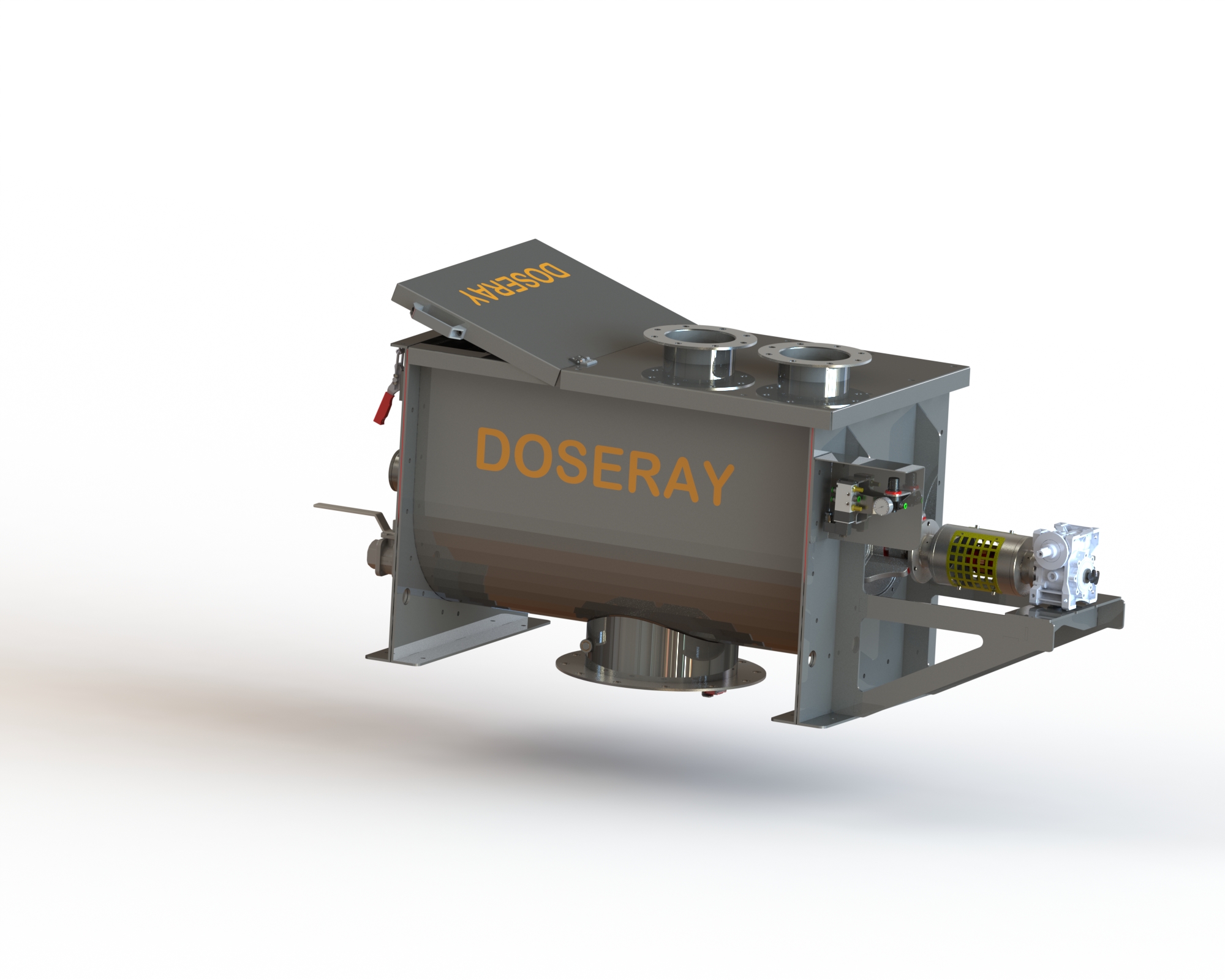
A horizontal single-shaft mixer consists of a cylindrical mixing drum with an inlet at one end and an outlet and vent at the other, a full-length mixing shaft, two end plates carrying flanged bearings with integrated air- or gas-purged shaft seals, and a drive unit with power transmission.
It works on the principle of a mechanically generated continuous fluidised bed. Plough- or paddle-shaped mixing elements rotating on a near-horizontal axis inside the cylindrical drum lift the components out of the product bed and carry them into the open mixing zone. The required mix quality is achieved before the product reaches the mixer outlet.
Continuous ribbon mixers are suitable for dry bulk solids (powders, granular materials, short fibres), mixtures of dry bulk solids and liquids (moistening and granulation), residues and low-viscosity pastes.


Advantages:
• Maximum mix homogeneity
• Gentle on the product
• Low maintenance
• Robust construction
• Motor power matched to the application
• High uptime
• Mixing expertise and testing facilities
Options:
• Special wear-resistant surface treatments (wear-resistant lining, easily replaceable ceramic coating)
• Mixing vessel with heating/cooling jacket
• PT100 temperature probe in the jacketed mixing vessel
• Polished internal surface
• Load cell weighing system
• Variable speeds via inverter
Plastic Raw Material Automation
Conveying Systems
PVC Mixer – Blend Automation System
Stable blend ratios in your products are directly proportional to
the quality of your work. At first glance, using more raw material than necessary may seem to improve product quality, or your process tolerances may compensate for such errors. But whether or not there is room to compensate, you should use exactly the targeted amount of each material in your blends, first time. To reach this goal and avoid any incorrect blend ratio, whether too little or too much, you need the right methods and tools.
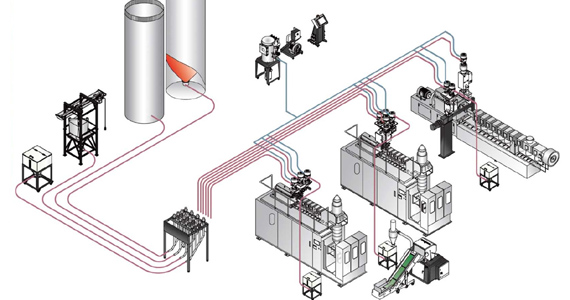
Whether your raw material is a powder such as PVC or a cylindrical granule such as PE, PP or PET, we are your solution partner at every process step before it enters the extruder.
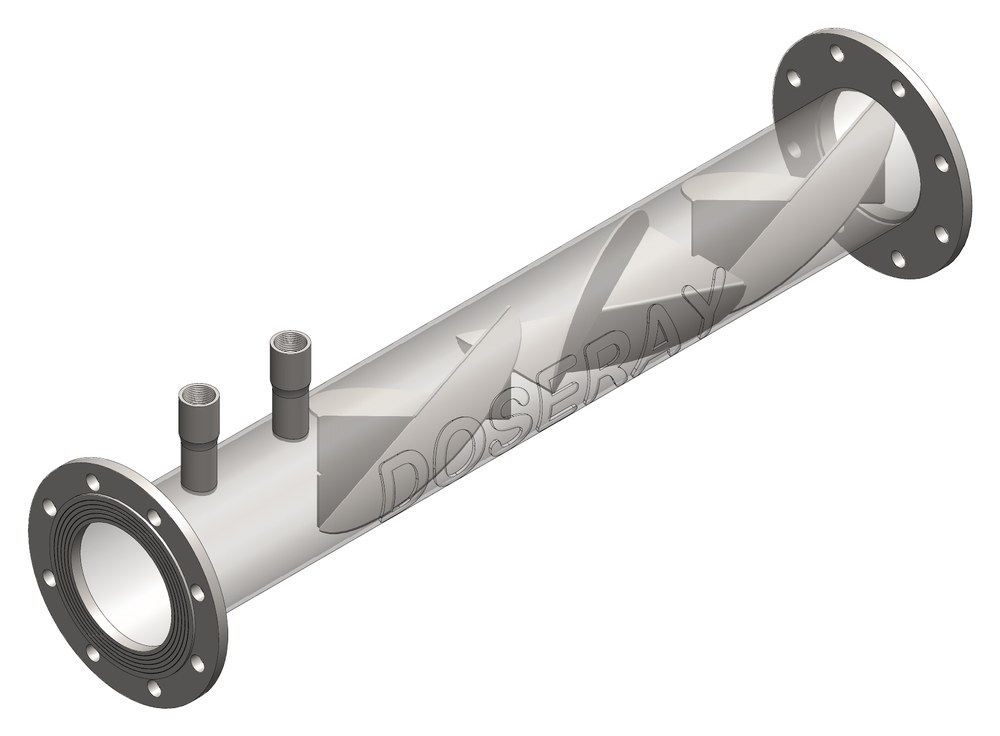
Static Mixer