What Is a Hopper Discharge System and a Bottom Sweeper Discharger?
Some products will not flow under vibration: wood shavings, fibrous biomass, moist clay, filter cake and sticky food waste are typical examples. For these products, rotating arms or reciprocating scrapers at the bottom of the hopper physically drag the product to the outlet.
Bottom sweepers are used in flat-bottomed, large-diameter hoppers; because they sweep the entire floor, they leave no dead zones. The drive is usually a low-speed, high-torque gear motor.
Maximum scraper diameter: Ø1,000 mm
Outlet diameter: Ø200-320 mm
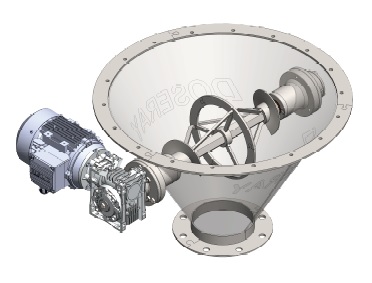

What Are the Advantages of a Bridge Breaker and Scraper?
A bridge breaker mechanically breaks up arches that form inside the hopper and helps the product flow under its own weight.

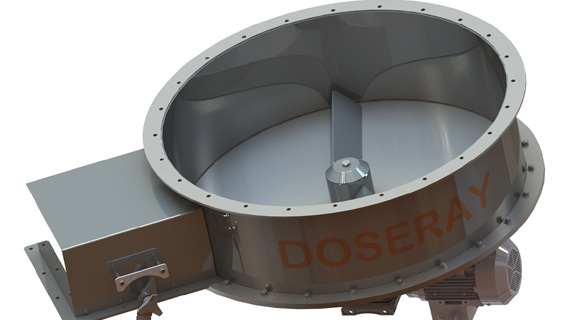
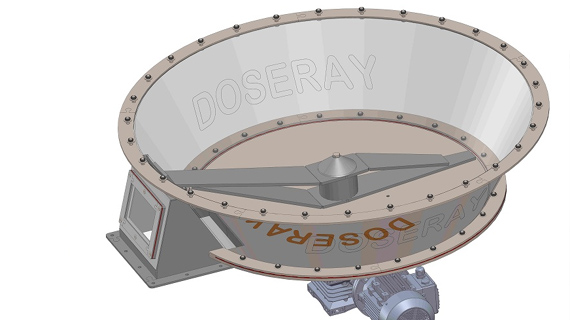
Bridge Breaker Working Principle
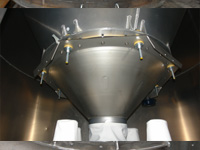
A slowly rotating shaft inside the hopper cone, with arms attached to it, prevents the product from sticking to the wall and forming bridges. The shape and number of arms are determined by the nature of the product; for abrasive products the arm tips are made replaceable.
Bridge Breaker Cone Types
-
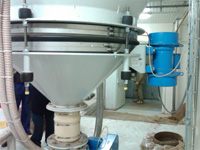
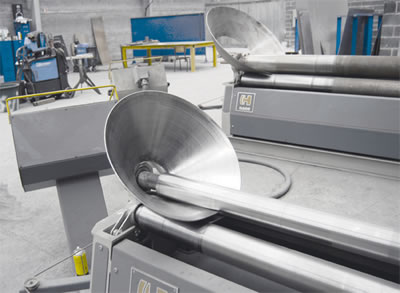
Bridge breakers are designed for conical hoppers, and bottom sweepers for flat-bottomed hoppers. Custom units can be built to suit the dimensions of an existing hopper.
Typical Applications of Hopper Bottom Sweepers
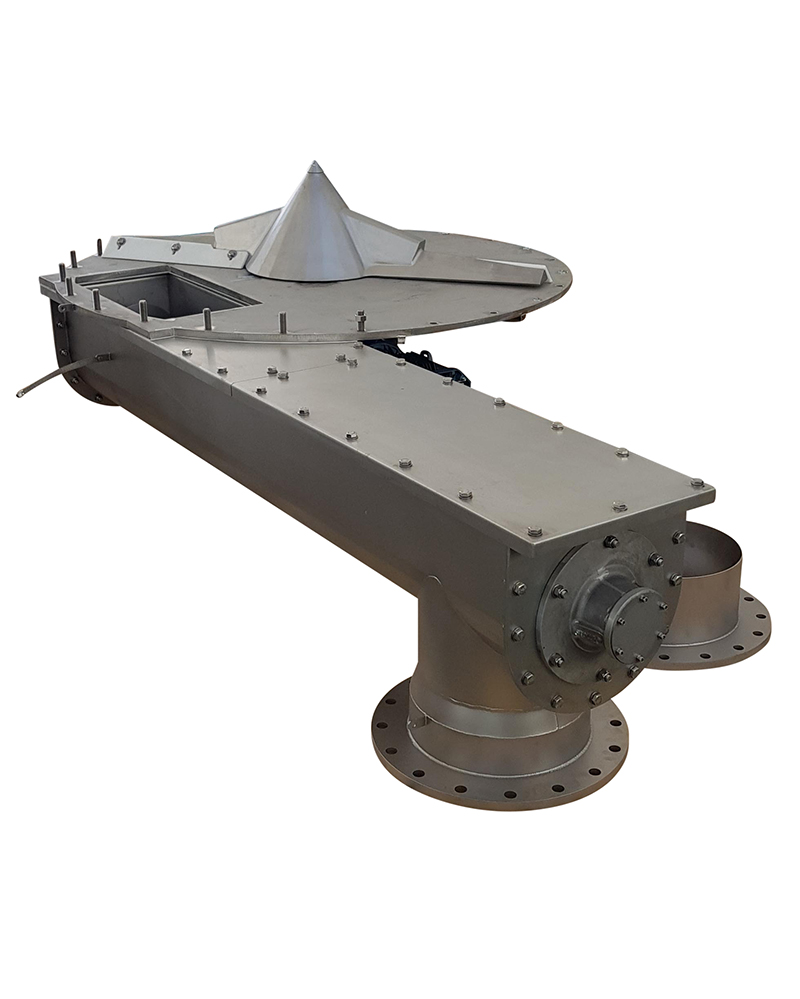
Bottom sweepers are used in recycling, energy (biomass), sewage sludge and food waste plants to feed the screw conveyor or conveyor under the hopper.
 Bin Activator Catalogue