
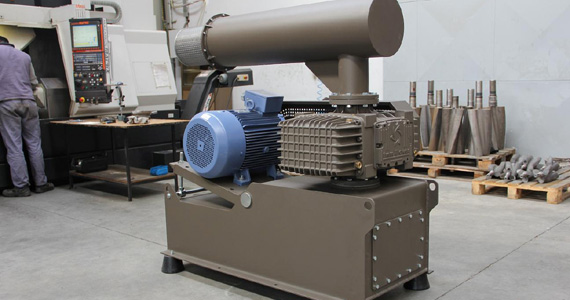
What Is an In-Line Blower Protection Filter? How Is It Used?
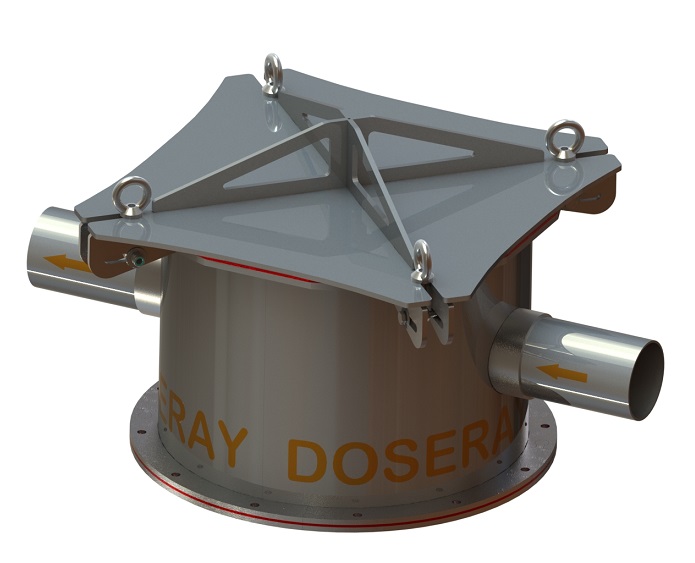
Pneumatic conveying, also known as pneumatic transport, is generally preferred for transferring granular or powdered raw materials (bulk solids). The materials conveyed may be not only industrial but also products from sectors such as food and pharmaceuticals. Such processes also require continuous microbiological control. This critical issue is often overlooked or simply unknown in processes. Even if there is a filter on the blower intake, whether on a pressure or vacuum line, some particles will always find their way into the process over time due to corrosion and the slight abrasive effect of the air. The use of special filters is particularly recommended for such unforeseeable situations, and this is the reason the line protection filter was developed. In the food and pharmaceutical industries, this measure is especially recommended on both pressure and vacuum lines before the raw material to be conveyed comes into contact with the air.


- What Problems Arise When Conveying Product with a Blower?
-
Some of these problems originate from the blower and some are system-related. The main causes of unforeseen foreign matter entering the process are:
1- Rust dust from the blower lobes rusting over time due to condensation.
2- Fragments of petrochemical-based foam and glass fibre from the silencer.
3- Micronised paint particles that flake, peel and wear off over time due to heat.
4- Polyester filter fragments escaping from the intake filter.
5- Fragments of seals used for tightness that dry out and break off.
6- Cake-like particles formed when dusty raw material reaches the blower while silos are being filled from a bulk tanker.
7- Fine particles and dust from external drying and dehumidifying systems if no suction or pressure filter is used in the system.
In addition, a proper engineering solution always includes secondary checks. For this reason, an in-line filter is also recommended as a control filter.
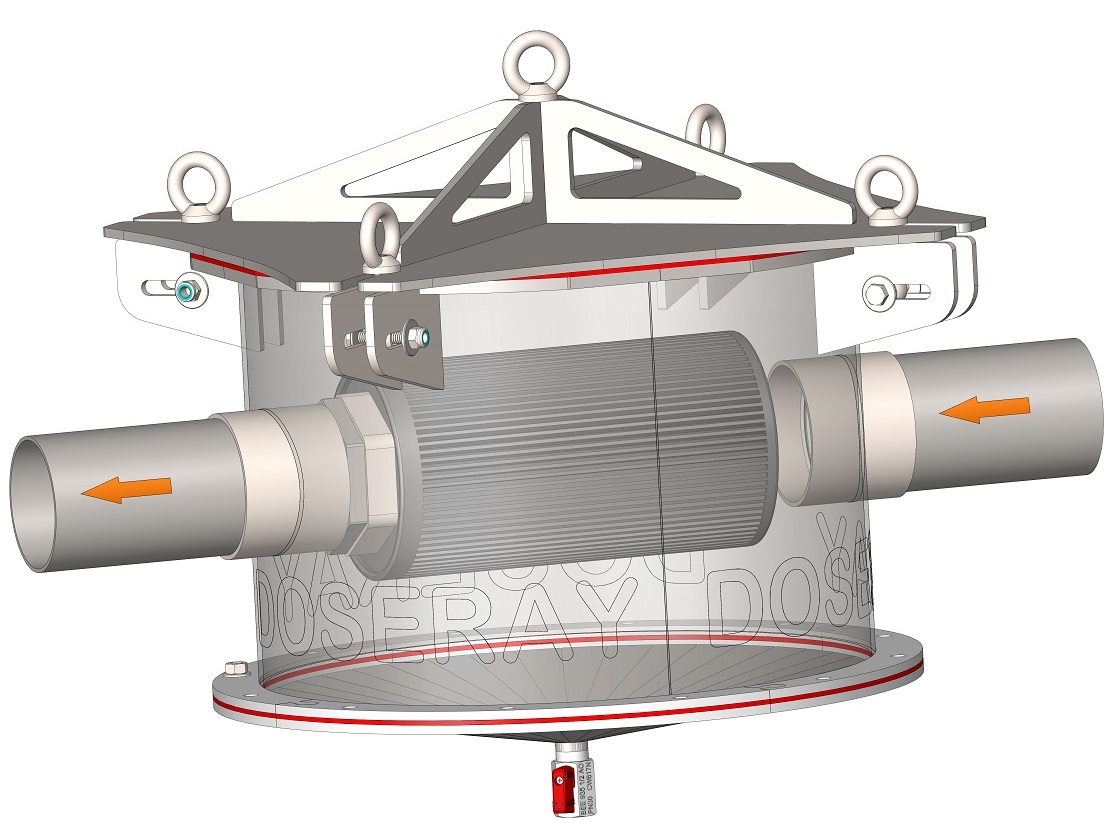
How Does a Blower Protection Filter Work in Pneumatic Conveying Systems?
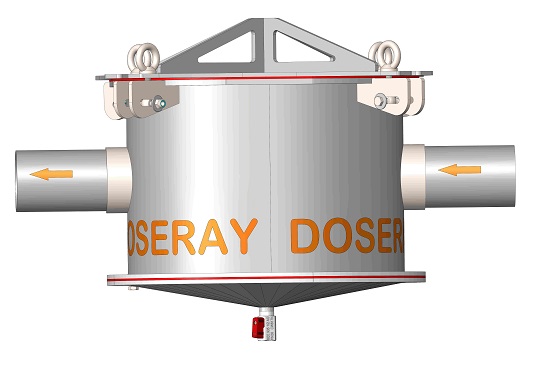
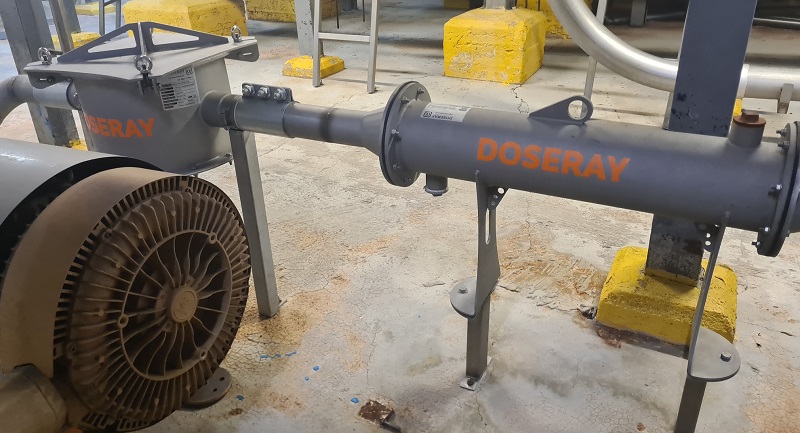
The filter, which can also be retrofitted to pneumatic conveying processes, is mounted in the line with couplings. When necessary, the top cover is opened and the threaded wire protection filter is unscrewed, removed and can be washed. The perforated-sheet inner screen can also be cleaned with air. The base of the protection filter is conical; the wash water is drained through a valve. Thanks to this design, the filter is also suitable for washing with chemical disinfectants and cleaning fluids.
Our Pneumatic Conveying Experience
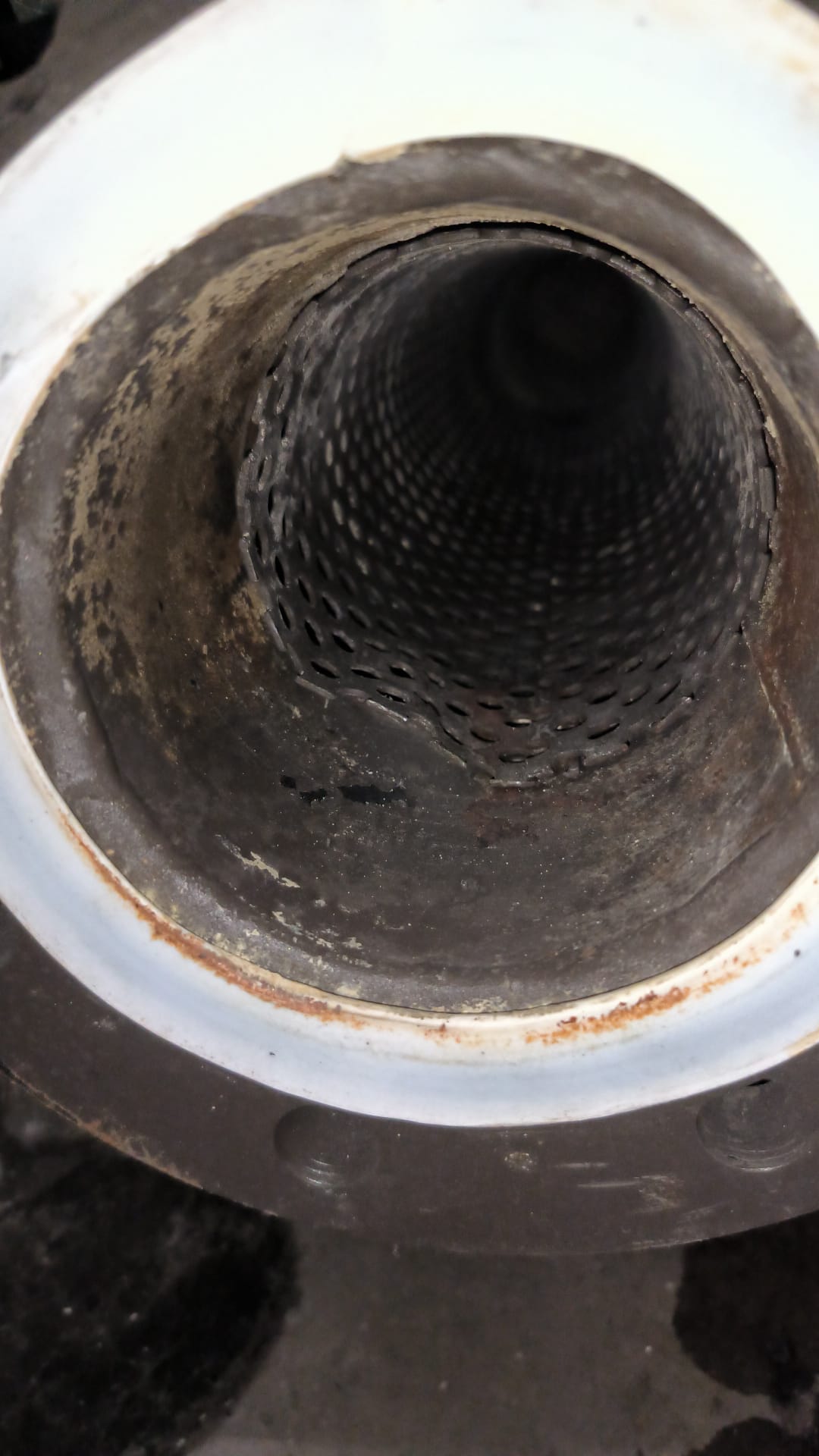
Every product to be conveyed pneumatically has different characteristics; as a result, each product's density and efficient conveying pressure also differ. This in turn determines the pneumatic conveying methods and the equipment to be used. Because high-pressure and side-channel blowers have enclosed housings, what happens inside them over time is usually unknown. The photo above shows the silencer outlet of an older-generation blower and clearly illustrates what can build up over the years.
Why a DOSERAY Blower Filter?
Our main principle in the pneumatic conveying systems we design and manufacture is to build highly durable products for industrial plants. Although pneumatic conveying systems may look similar at first glance, the importance of design differences becomes apparent over time. This difference reflects the value of the experience we have gained from the plants we have installed to date.
What Is the Difference Between Pneumatic and Mechanical Conveying?
Although mechanical conveying may seem a demanding method with fixed patterns, it is the most economical solution in terms of electricity consumption. Over long distances the investment cost is high, but energy use is low. In pneumatic conveying systems it is also generally used for volumetric feeding at a constant rate.
Pneumatic conveying (vacuum conveying) is the most flexible conveying method compared with screw conveyors, belt conveyors and chain conveyors. Although it needs to work together with many auxiliary instruments and dust collection systems, this flexibility makes it the most widely preferred conveying system.
 Pneumatic Conveying Catalogue