What Is a Two-Way Diverter Valve and How Is It Used?
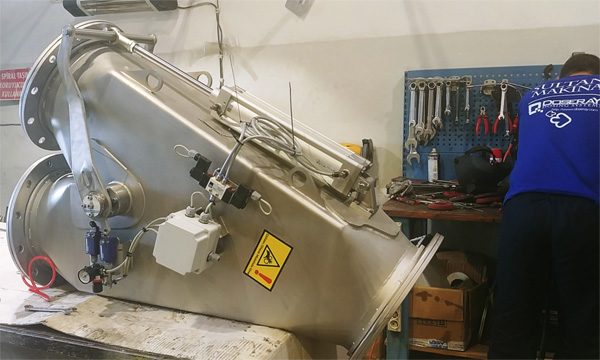
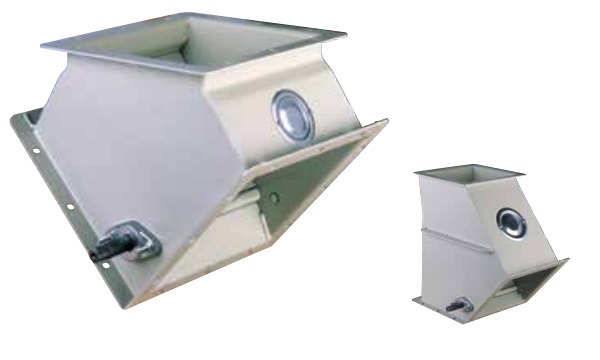
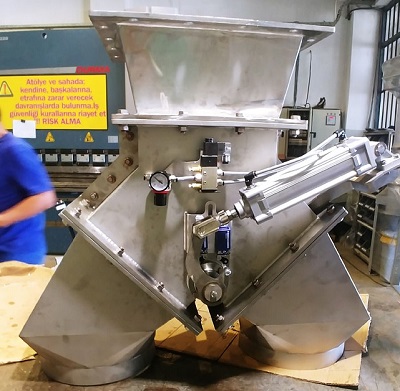
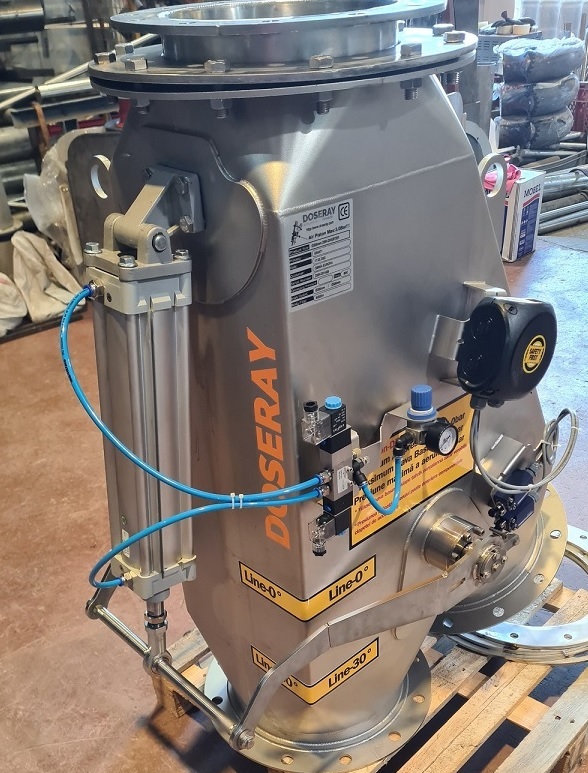
The two-way diverter valve (also known as a trouser or Y-diverter) takes its name from its Y-shaped body: a single inlet at the top and two outlets at the bottom. The flap inside the body is turned by a pneumatic or electric actuator to direct the product flow to the right or left outlet.
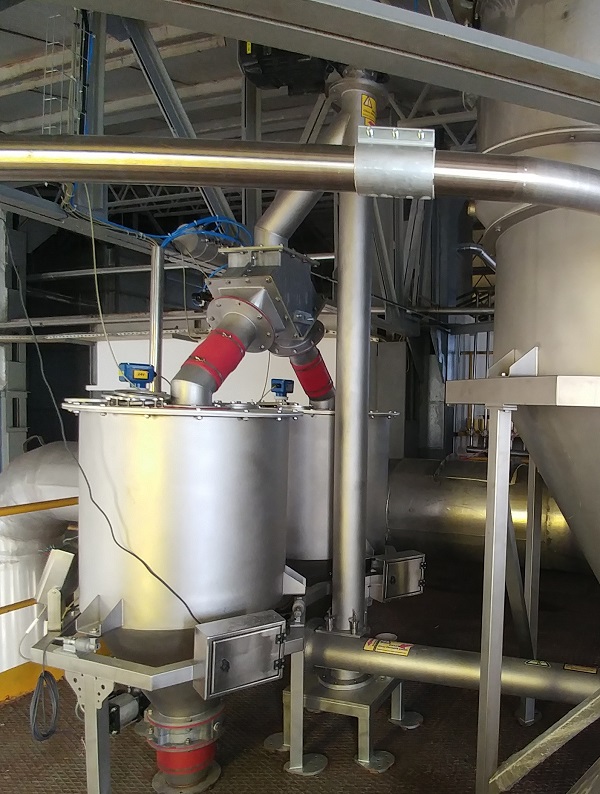
A typical application is distributing product from a screw conveyor or rotary valve to two different silos, to one of two mixers, or to the main and standby branches of a line. Models used in gravity lines (where product falls under its own weight) differ from the leak-tight models used in pneumatic pressure lines.
Depending on the process, two-way diverter valves are produced in different designs with 30° and 45° angles. The 45° model in particular can be used symmetrically. Models with other angles may behave differently in the process depending on the flowability of the product. Our production programme covers sizes from 150x150 to 400x400 and Ø DN150 to DN400.
They are manufactured to suit DIN-standard pipes. Process-specific square designs are also part of our production programme. FDA-approved food-grade silicone or polyurethane seal options are available. The body is basically square, with a reducer for transition to a round connection. The internal flap that performs the diversion is replaceable.

Multiport Diverter Valves
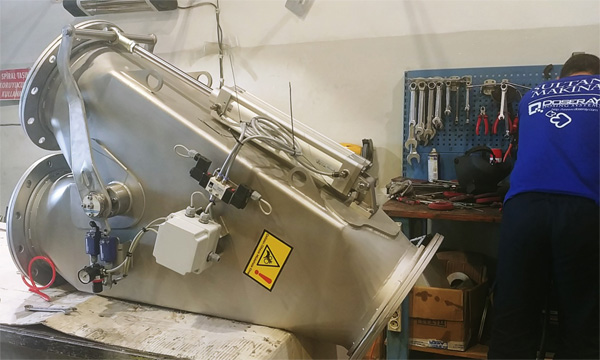
Where diversion to more than two destinations is required, multiport valves are used, working with a rotating diverter tube in a single body. This design takes up less space than several two-way diverters connected in series and reduces pressure loss.
Slide-Type Pneumatic Diverter Valves
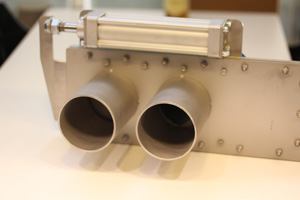
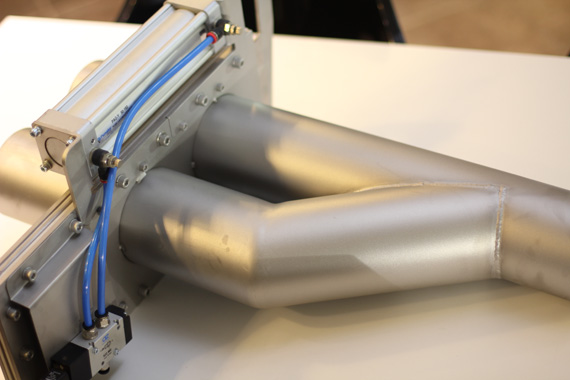
In pneumatic conveying lines where tightness is important, slide-type diverter valves are preferred; in these valves, the flow path continues uninterrupted at the full pipe diameter.
 Two-Way Diverter Valve Catalogue