Bioreactors and Fermentation Tanks
One of the most important considerations in bioreactor design is mass transfer. If mass transfer is not at the required level, the tissues being produced cannot be adequately nourished. Above all, bioreactors must continuously supply cells with nutrients (glucose and amino acids), biochemical factors and oxygen, ensure the diffusion of various chemicals into the interior of the tissue scaffold, and continuously remove by-products of cell metabolism such as lactic acid.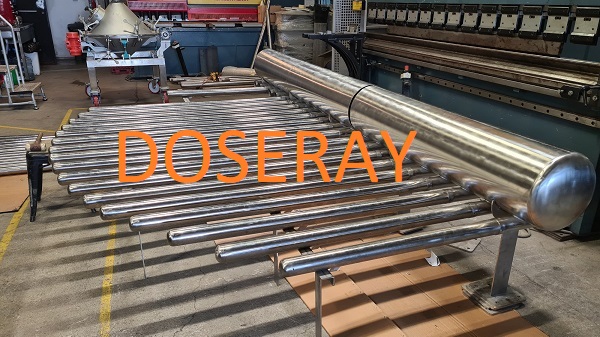
In conventional bio-fermentation technology, designs that deliver high-pressure gas flow ensure that the gas injected into the liquid meets the least possible resistance, achieving high energy efficiency. In these systems, which generally run at high power on an industrial scale, efficiency is always a priority, so building the system correctly is of great importance.
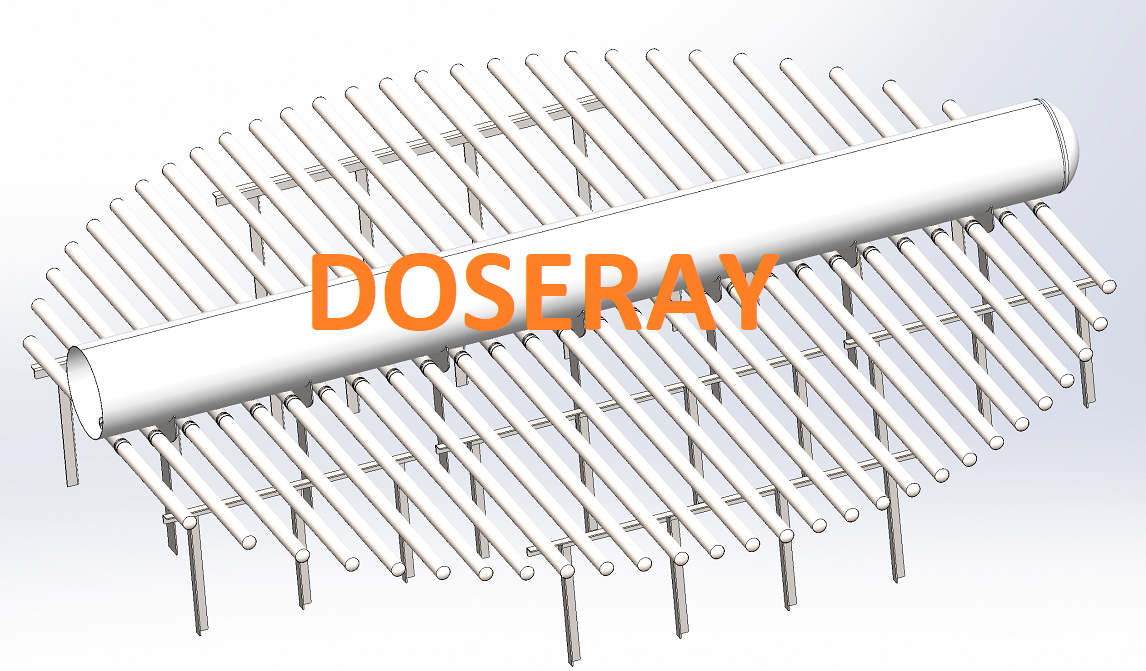
Spargers are process elements that introduce gas into a fermenter or reactor in the smallest possible bubbles. A single-orifice sparger is a good example. As the fermenter volume increases, so does the gas requirement. The diameter of the sparger elements can be increased to meet the gas demand in the reactor, but the real aim is to keep the air bubbles as small as possible. Ring-type sparger elements are therefore used for higher aeration requirements.
Because of high-capacity storage and other process requirements in bioreactor processes, small design details, internal friction, insufficient air velocities and internal surface quality often have an adverse effect on the process.
It is also important for the process to have a CIP system to prevent microbial contamination. In short, there are many critical factors to consider in order to get the right results from fermentation systems.
Applications
– CO2 sparging for carbonated beverages and beer
– Yeast production
– Fine chemicals industry
– Oxygen or air sparging to enhance cell growth in fermentation tanks
– Aquaculture
– Hydrogen sparging for a wide range of chemical hydrogenation reactions
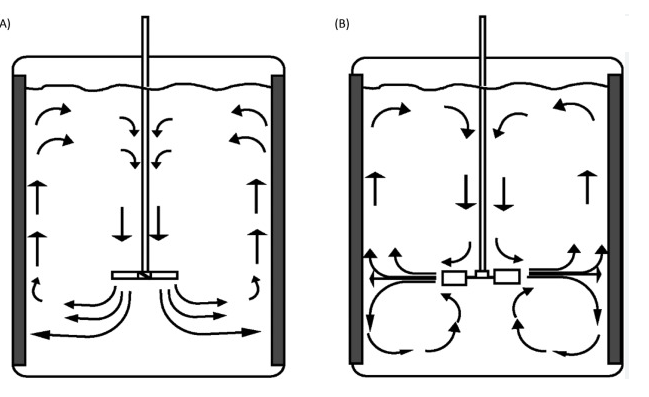
– Air injection for mixing liquids in a vessel
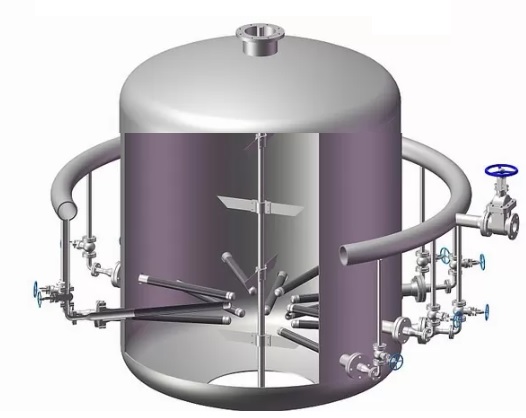
– Sparging air, oxygen or other gases into reactors to improve performance
Materials of Construction
Stainless steels (304L, 316L)
Air Sparger
Bioreactors are systems in which biological reactions are carried out under controlled conditions. They are generally used to support the growth and metabolic reactions of biological materials such as microorganisms, yeast or cell cultures. Their manufacture therefore demands particular care. This is exactly where DOSERAY comes in, bringing that care to its customers.
Bioreactor Applications
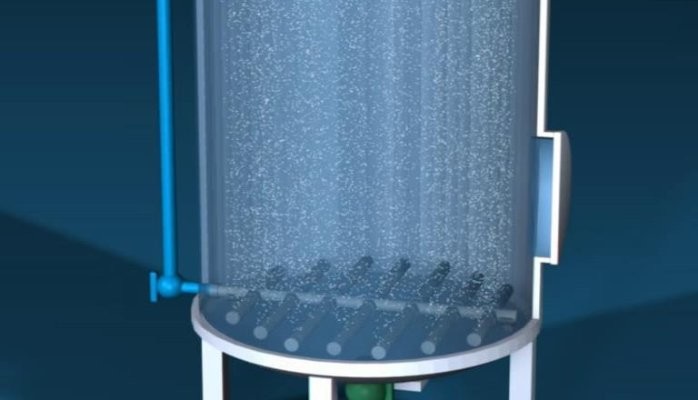
Mass Transfer in Bioreactors
One of the most important considerations in bioreactor design is mass transfer. If mass transfer is not at the required level, the tissues being produced cannot be adequately nourished. Above all, bioreactors must continuously supply cells with nutrients (glucose and amino acids), biochemical factors and oxygen, ensure the diffusion of various chemicals into the interior of the tissue scaffold, and continuously remove by-products of cell metabolism such as lactic acid.
 Air Sparger Catalogue