What Is a Flow Control Valve and How Is It Used?
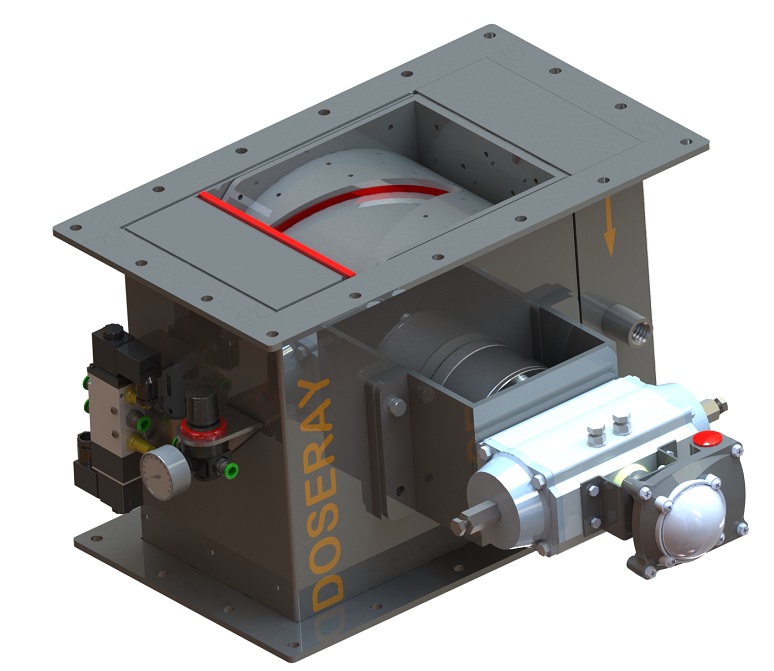
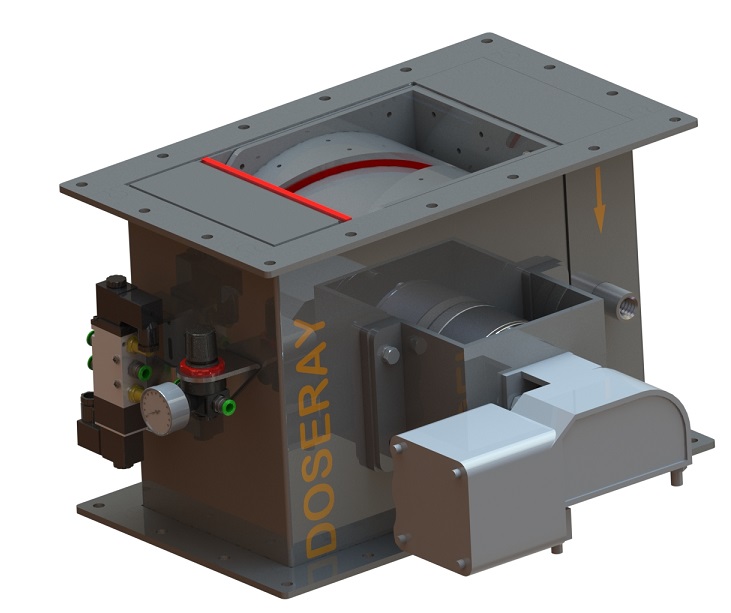
A gate that proportionally controls the flow of powdered and granular bulk solids in filling, dosing, conveying and feeding systems is called a dosing valve or flow control valve.
Flow control valves are available with pneumatic, mechanical or hydraulic actuation.
The internal drum that provides the control also varies according to the type of process. Positioner feedback can be taken as 4-20 mA and transferred to the PLC-SCADA system. In addition, on-off switches and speed control valves provide various operating options.
Flow Control Valve Applications
Silo and hopper outlets
Packaging machine feeding
Open filling feed
Impact weigher feeding
Big bag filling feed systems
Bag filling feed systems
Mixer filling feed systems
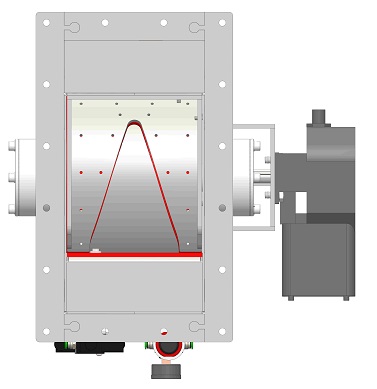
Flow Control Valve Drum Types
The drum type of the feeding flow control valve depends on the process. The drum type is a factor that affects the feed rate, the type of dosing, and the fast and slow fill quantities. A "V" drum is generally used, but other types can be applied for special cases.

Custom-Designed Control Valves
Every process has its own operating regime, and in some cases standard solutions may not be sufficient. That is why we manufacture custom flow control valves to suit your process conditions: wear-resistant, temperature-sensitive, high-capacity, and designed to operate under different temperature, pressure and atmospheric conditions.
The flow control valve is also known as a flow control gate valve, dosier valve, dosing valve or adjustable flow control valve.
 DOSERAY General Product Catalogue